
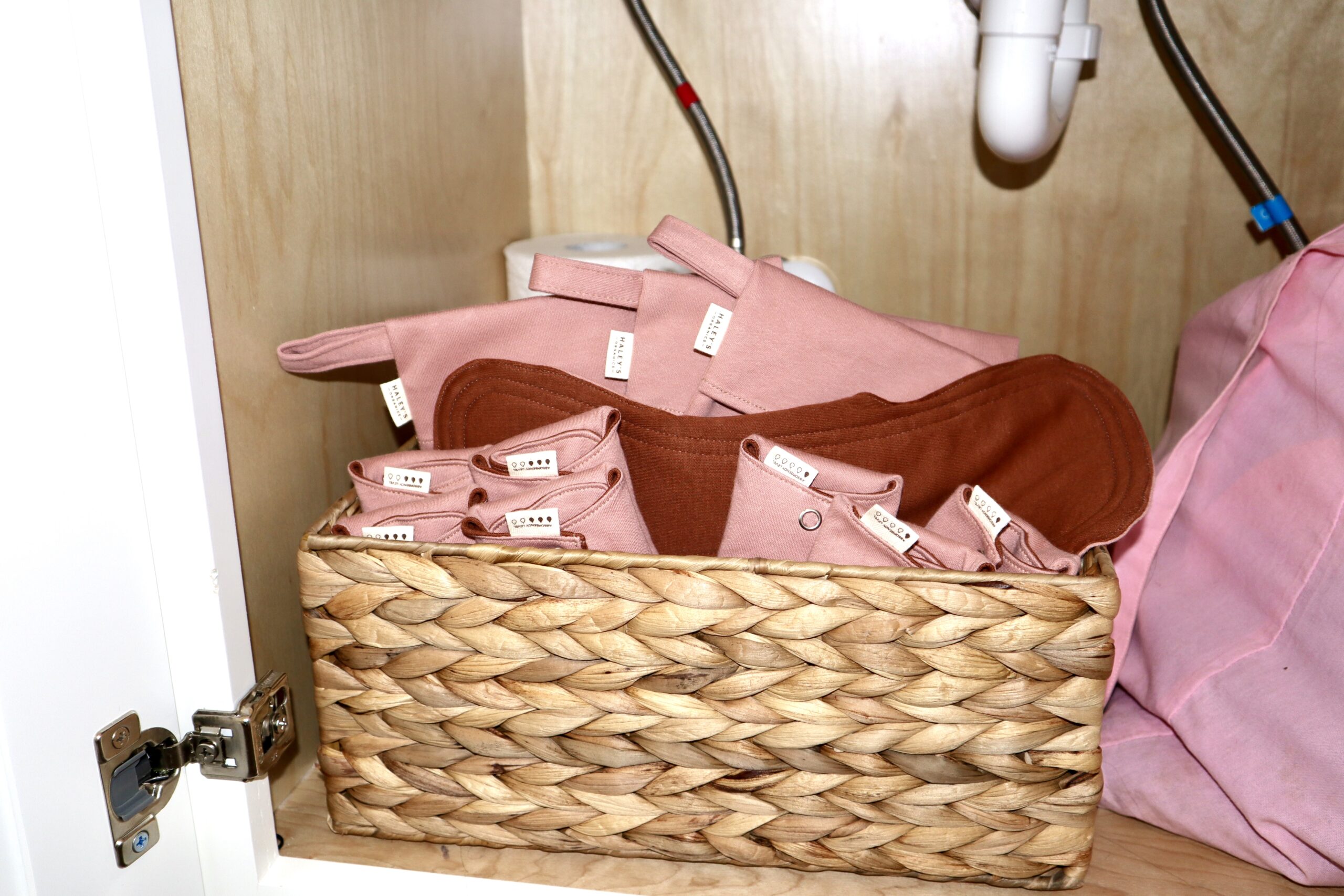
7 Reasons to Choose Organic Cotton Cloth Pads
Discover the comfort of organic cotton, the benefits of reusable menstrual products, and what to look for when choosing cloth pads for your body.
When shopping for menstrual products, the materials that touch your skin deserve just as much consideration as absorbency, size, and fit. If you prefer natural fibers and reusable products, organic cotton cloth pads may be an excellent option to explore.
At Haley’s Organics, we believe choosing menstrual products should be about finding what feels comfortable, works for your flow, and fits your personal preferences. Organic cotton offers a natural-fiber option for people who want a soft, breathable-feeling fabric and a reusable alternative to disposable pads.
But what exactly makes organic cotton different? And what should you look for when shopping for reusable cloth pads?
Here are seven reasons to consider organic cotton cloth pads and how to choose the right ones for your needs.
1. Understand What Makes Organic Cotton Different
Organic cotton is grown according to established organic farming standards, which restrict the use of many synthetic pesticides and fertilizers. Depending on the certification and applicable standard, organic production also includes requirements for how the crop is grown and managed.
For shoppers who pay attention to the materials used in their personal-care products, organic cotton can be an appealing choice.
When comparing menstrual pads, look beyond the word organic on the packaging. Check which part of the product is made from organic cotton. Some products use organic cotton only on the surface, while others may incorporate it into additional layers. Haley’s Organics reusable cloth pads have organic cotton top fabrics, core fabrics, and bottom fabrics with a non-toxic TPU lining to provide waterproof protection.
If organic sourcing is important to you, look for clear information about the fabric composition and any applicable third-party certification.
Shopping tip: Organic cotton and conventional cotton are not the same thing, but the word “organic” alone does not tell you everything about a finished pad. Read the material details before making your choice.
2. Enjoy the Soft Feel of Cotton Against Your Skin
Comfort is one of the first things many people consider when choosing a menstrual pad. Since a pad sits against the body for hours at a time, fabric texture can make a meaningful difference in your experience.
Cotton is valued for its naturally soft, familiar feel. Many people prefer cotton fabrics because they feel comfortable against sensitive areas of the body and give that normal underwear feel.
Organic cotton cloth pads may be especially appealing if you prefer natural fibers over synthetic-feeling surface materials.
However, softness depends on more than the type of cotton used. Fabric construction, finishing treatments, stitching, and the other materials incorporated into a pad can all influence how it feels.
What to look for: Choose pads with a comfortable fabric surface, smooth seams, and a size that feels appropriate for your body.
3. Choose Breathable Fabrics for Everyday Comfort
Breathability is another important consideration when choosing reusable menstrual pads.
Cotton fibers can absorb moisture, and cotton fabrics can allow air to pass through them. These characteristics may contribute to a comfortable wearing experience.
A cloth pad is made of multiple layers, and each layer serves a purpose. The surface fabric, absorbent core, moisture-proof cotton backing can all affect how the finished product feels and performs.
For this reason, a pad made with cotton on the surface may not perform exactly like another cotton pad with a different internal construction.
If you tend to feel uncomfortable in products that trap heat or moisture, pay attention to the materials throughout the product rather than judging it by the surface fabric alone.
Remember: Even breathable fabrics need to be changed when appropriate. Choose an absorbency level that suits your flow, and change your pad when it becomes saturated or uncomfortable.
4. Explore a Reusable Alternative to Disposable Pads
One of the practical reasons shoppers choose cloth pads is that they can be washed and reused for years.
Instead of disposing of a pad after a few hours’ use, you can care for your cloth pads and use them again. For people who menstruate regularly, this may help reduce the number of disposable menstrual products they purchase and throw away.
Reusable products also give you the opportunity to build a collection that matches your routine. You might keep smaller pads for spotting and lighter days, regular pads for everyday menstrual flow, and larger pads for heavier days or overnight use.
The long-term value adds up quickly. On average, a woman uses over 10,000 disposable pads in her lifetime. A collection reusable cloth pads can greatly reduce the number of products each woman needs. This is better for the planet because it reduces waste. It’s also better for your wallet because you’re not constantly buying more.
What to look for: Well-constructed pads with secure stitching, durable fabrics, and clear washing instructions that can help you care for your investment over time.
5. Pay Attention to the Materials in Every Layer
A menstrual pad is more than its outer fabric. Understanding the materials in the entire product can help you choose one that matches your preferences.
Here are the main components to consider when shopping for organic cotton cloth pads:
- Surface fabric: This is the layer that rests against your body. Check whether it is organic cotton, conventional cotton, or another material. Haley’s organics uses organic cotton.
- Absorbent core: The inner layers hold menstrual fluid. Look for a clear description of the materials used and the pad’s intended absorbency. Haley’s organics uses organic cotton.
- Moisture-resistant backing: Our reusable pads include a non-toxic TPU coating on the inside of the organic cotton backing designed to help prevent leaks.
- Fasteners and stitching: Haley’s Organics reusable cloth pads feature metal snaps and 100% cotton thread.
At Haley’s Organics, we encourage shoppers to become informed about the products they use and to select materials that align with their individual needs and values.
6. Find the Right Size and Absorbency for Your Flow
Even a beautifully made organic cotton pad will not be the right choice if it does not match your flow or provide a comfortable fit.
When shopping, consider both the length of the pad and the amount of fluid it is designed to absorb.
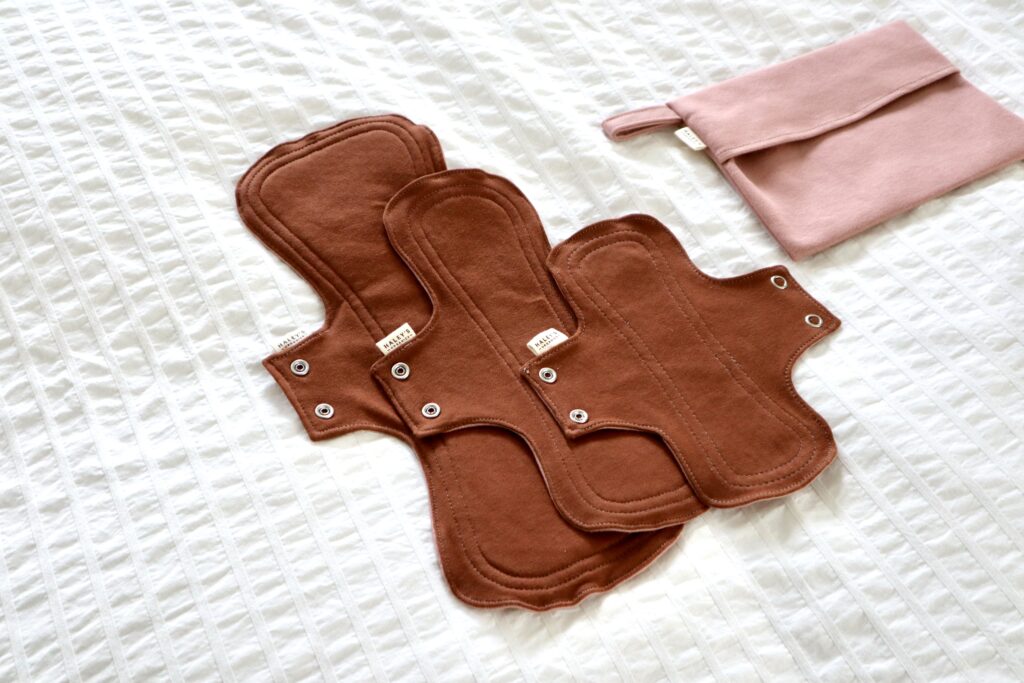
Haley’s Organics offers three pad sizes to help customers choose according to their needs:
- Panty liner — 8 inches: The smallest option with one layer of internal absorbent material. Suitable for spotting, discharge, light-flow days, and very light urinary incontinence. This may be a more comforatble size for young girls, too.
- Regular pad — 10 inches: An everyday option for customers who want more coverage and absorbency than a panty liner
- Heavy pad — 13 inches: A longer option for those who prefer additional coverage, including during heavier-flow days or overnight use
Your ideal size may change throughout your cycle. Some people prefer a panty liner on lighter days and a longer pad when they want additional coverage.
Consider your flow, underwear fit, activity level, and whether you prefer extra length at the front, back, or both. To see what works for you, you can try our Starter Pack Bundle.
Shopping tip: Length is only one part of choosing a pad. Consider absorbency as well to see what best matches your flow.
7. Choose a Brand That Is Transparent About Its Products
When shopping for organic cotton cloth pads, clear product information makes it easier to compare options and find a product that suits your preferences.
Before purchasing, look for the following details:
- Accurate fiber information: Does the brand identify the materials used in the surface, absorbent core, and backing?
- Clear sizing and absorbency guidance: Are measurements and uses explained in practical terms?
- Care instructions: Does the brand tell you how to wash, dry, and store reusable pads?
- A variety of sizes: Can you select different options for spotting, lighter days, regular flow, and heavier days?
- Clear product descriptions: Does the company explain the product’s features clearly so you know what you’re getting?
A thoughtful purchase begins with knowing what you are buying. The more transparent a brand is about its materials and construction, the easier it is to decide whether the product meets your expectations.
Why Choose Haley’s Organics Cloth Pads?
Choosing reusable menstrual products is a personal decision. You may be looking for a softer fabric, a natural-fiber option, a reusable alternative to disposable pads, a long term cost-savings, or a range of sizes that helps you feel prepared throughout your cycle.
Haley’s Organics makes it easy to explore reusable cloth pads based on your individual needs.
Start by considering the amount of absorbency you need, the length that feels most comfortable, and how often you can change your pad in your lifestyle. Then choose the size that best fits your routine.
Whether you need a small panty liner for spotting or a longer pad for additional coverage, taking the time to understand your options can help you make a more confident purchase.
Ready to explore reusable cloth pads? Browse the Haley’s Organics collection and find the sizes that best fit your needs. If you’re unsure about what sizes will work the best for you, try our Starter Pack Bundle.
Frequently Asked Questions About Organic Cotton Cloth Pads
Are organic cotton cloth pads better than disposable pads?
Neither option is automatically better for everyone. Organic cotton cloth pads may appeal to people who prefer natural fibers, reusable products, a more-economical choice, and a better choice for the environment, but they create a little more laundry. Disposable pads may be more convenient in some situations, but they contain many harmful chemicals and fragrances, are bad for the environment, and are more expensive long-term. The best choice depends on your comfort, material preferences, budget, and daily routine.
Are organic cotton cloth pads breathable?
Cotton fabrics can allow air to pass through and absorb moisture. Many users report that they forget they are wearing the pad because it feels like regular underwear and they are very comfortable.
Are organic cotton pads good for sensitive skin?
Most people prefer the feel of cotton against their skin over the uncomfortable feeling of plastic. It’s more breathable. Also, wearing a cloth pad does not cause the heat rash or chafing that is associated with plastic disposable pads. Cloth pads also don’t expose your sensitive skin to the chemicals and fragrances that are put in the disposable pads.
How often should I change a reusable cloth pad?
Change your pad according to your flow, the product’s absorbency, and your comfort level. A pad should be changed when it becomes saturated or damp enough to feel uncomfortable.. You should not wait until a pad is completely saturated before changing it as this may risk leaks.
How do you wash organic cotton cloth pads?
After you take off your reusable cloth pad, you should rinse the pad until the water runs clear. Alternatively, you can soak the pad in water. Then you can wash your pad in the washing machine and dry it in the dryer, just like your underwear. Make sure that they are fully dry before storing. If you need to change your pad while you’re away from home, do not wash your pad in public. Simply fold it with the wet side in and place it in a wet travel bag. When you get home, you can launder all of your day’s pads at once. Please see our Care Guide for more detailed information.
What is the difference between organic cotton and regular cotton pads?
Organic cotton is grown under organic farming standards that restrict certain agricultural inputs like pesticides. Conventional cotton may be grown using different farming practices that include pesticides, synthetic fertilizers, and more heavy water usage. Conventional cotton may also contribue to water pollution. Just as eating conventionally grown food exposes you to toxins, so does wearing conventionally-grown fibers.
Do organic cotton cloth pads contain only organic cotton?
Haley’s Organics Reusable Cloth Pads are constructed with an organic cotton topper, core, and bottom fabric. The base fabric a layer of TPU to provide water-proofing for leak-free peace of mind. Our fabrics are 100% Free of PFOS, PFOA, lead, dioxins, heavy metals & BPA; Free from phthalates: contain no DEHP, DBP, BBP, DINP, DIDP and DnOP. Our pads also feature metal snaps instead of plastic and 100% cotton thread.
Final Thoughts
The right menstrual pad should fit your body, match your flow, and align with your personal preferences and values.
Organic cotton cloth pads offer an option for those who value natural fibers, a familiar soft feel, and caring for the planet. By paying attention to fabric composition, breathability, absorbency, construction, and care instructions, you can make a more informed decision about which product is right for you.
At Haley’s Organics, we believe informed choices start with understanding your options. Explore our cloth pad sizes and find the combination of comfort, coverage, and absorbency that works for you.